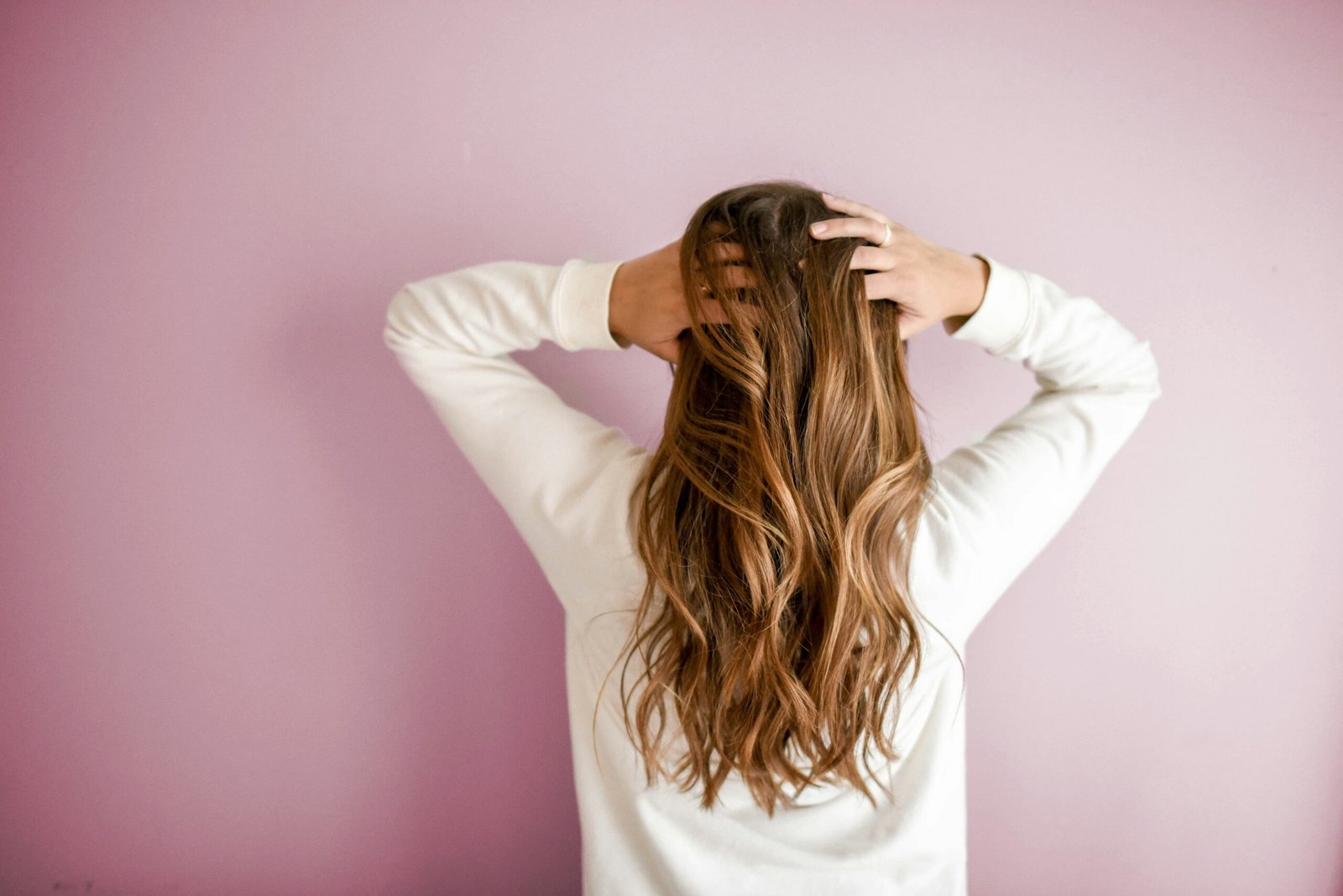
Hair oil can help dry hair look smoother, softer, and shinier. However, different oils serve different purposes, and the best option depends on your hair type, texture, and individual needs.
What Can Hair Oil Do?
Depending on its formulation and how it is used, hair oil may help:
- Improve softness and shine
- Reduce the appearance of frizz
- Make detangling easier
- Protect the ends from dryness
- Reduce friction during styling
- Improve the appearance of damaged hair
Hair oil cannot permanently repair severely damaged strands, but it can improve how the hair looks and feels.
Oils Commonly Used in Haircare
Argan Oil
Argan oil is frequently used in lightweight finishing products. It may suit people who want added shine and smoother-looking ends without applying a very heavy oil.
Coconut Oil
Coconut oil is often used as a pre-shampoo treatment. It can feel rich, so people with fine hair may prefer using only a small amount.
Jojoba Oil
Jojoba oil has a relatively lightweight texture and may work well for people who find heavier oils difficult to distribute.
Avocado Oil
Avocado oil is commonly included in nourishing treatments for dry, coarse, or textured hair.
Castor Oil
Castor oil is thick and may be difficult to spread by itself. It is often blended with lighter oils for easier application. Claims that it dramatically increases hair growth should be treated cautiously.
Match the Oil to Your Hair Type
Fine Hair
Choose a lightweight serum or oil and apply one or two drops to the ends. Too much product can make fine hair appear flat or greasy.
Thick or Coarse Hair
Richer oils and leave-in treatments may help soften the hair and control frizz.
Curly or Textured Hair
Oils can help seal in moisture after applying a water-based leave-in product. The appropriate amount depends on the hair’s density and porosity.
Colour-Treated Hair
Look for products intended for chemically treated hair and avoid excessive heat styling. Oil can improve shine, but it does not reverse chemical damage.
Ways to Use Hair Oil
Before Shampooing
Apply oil to the mid-lengths and ends before washing. Leave it on for a suitable period, then shampoo thoroughly.
After Washing
Apply a very small amount to damp hair, focusing on the ends and avoiding the roots if your scalp becomes oily easily.
As a Finishing Product
Smooth one or two drops over dry hair to reduce flyaways and add shine.
Do Not Ignore Your Scalp
Dry-looking hair does not always mean the scalp needs oil. Applying heavy oils directly to the scalp may cause buildup or worsen certain scalp concerns.
If you experience persistent itching, flaking, soreness, or hair loss, seek advice from a dermatologist or another qualified healthcare professional.
Final Thoughts
The best hair oil is one that supports your hair without weighing it down. Begin with a small quantity and adjust according to your hair’s response.
Consistent conditioning, gentle handling, limited heat exposure, and regular trims are also important parts of caring for dry or damaged hair.